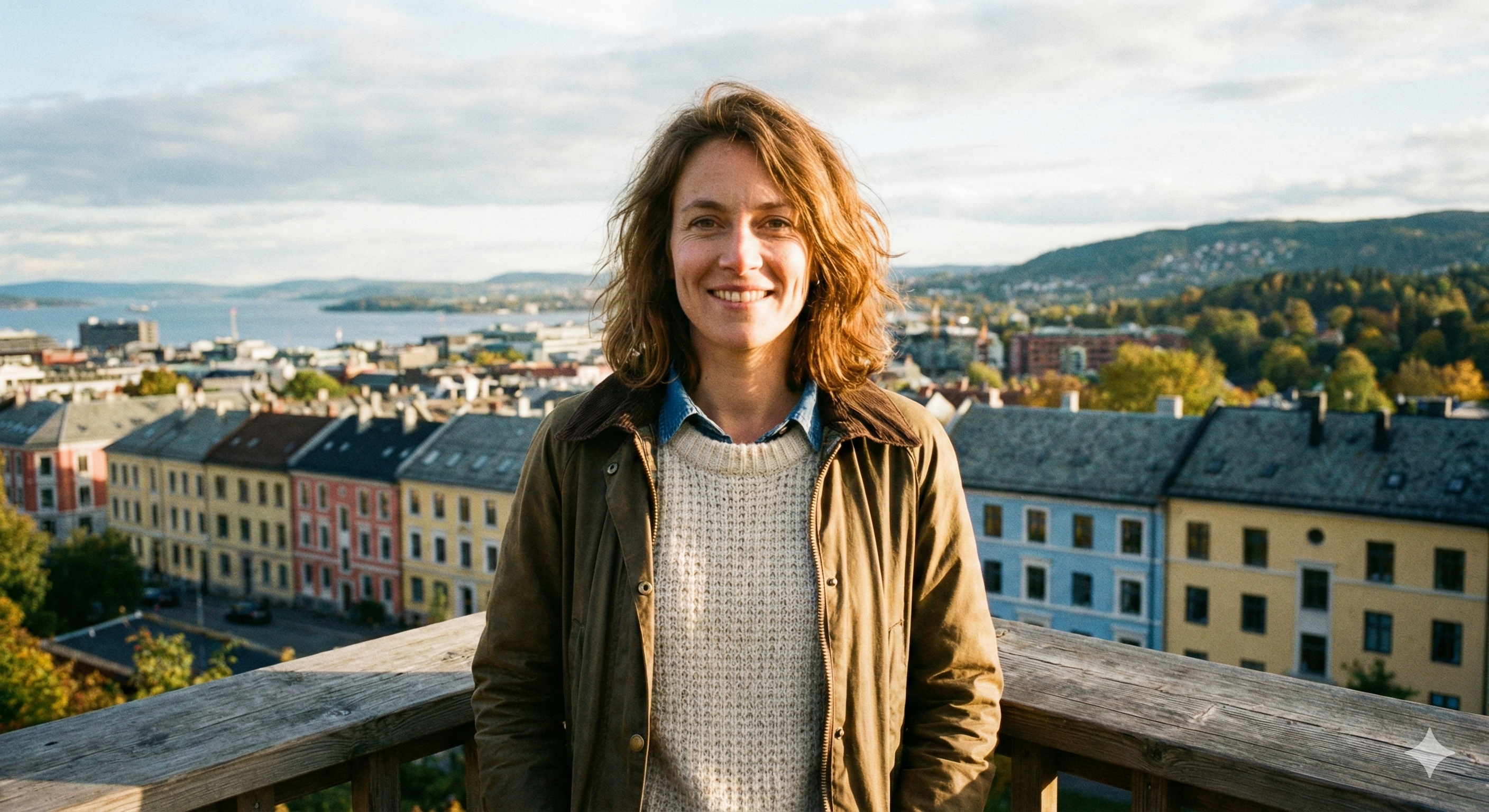
"Kristiansand is the city I recommend most to families who are still undecided about their destination in Norway. With its magnificent beaches, the mildest climate in the country and the Dyreparken animal park that delights children, it is a little gem of the south that too few people know. Every summer we spend a few weeks there as a family and my children count the days."
— Ingrid
Why Kristiansand?
Kristiansand is Norway's fifth-largest city and the capital of the Sørlandet region, the Norwegian Riviera. Located at the very south of the country, it enjoys the mildest climate in Norway, with the warmest summers and the gentlest winters. The city is renowned for its spectacular coastline, its islands reachable by boat and its relaxed atmosphere, which contrasts with the faster pace of Oslo or Bergen.
Founded in 1641 by King Christian IV, Kristiansand is organised around Kvadraturen, a city centre with a grid layout unique in Norway. The city has managed to modernise while keeping its southern charm: the white wooden houses of the old Posebyen district sit alongside contemporary cultural venues and a lively harbour. For families, the presence of Dyreparken, one of the most popular theme parks in Scandinavia, is a considerable asset.
More affordable than Oslo and Bergen, Kristiansand offers a remarkable quality of life for those looking for a day-to-day life centred on nature, the sea and family. The city has a dynamic university (UiA), an airport with connections to major European cities and a direct rail link to Oslo via the Sørlandsbanen.
+ Pros
- Sunniest city in Norway (more than 1,700 hours of sunshine a year)
- Mildest climate in the country (warm summers, moderate winters)
- Magnificent beaches (Bystranda, Hamresanden, Sjøsanden)
- Very family-friendly with Dyreparken, the zoo and theme park
- Cost of living significantly lower than Oslo and Bergen
- Excellent quality of life and relaxed pace
- Good education offering with UiA and international schools
- Cons
- Smaller job market than in the big cities
- Far from Oslo (4.5 hours by car, 4 hours 45 by train)
- Quieter nightlife and cultural scene in winter
- Limited direct international flights (mostly seasonal)
- Smaller expat community than in Oslo or Bergen
Where to live in Kristiansand?
Kristiansand is a compact city that is easy to get around by bike or bus. The city centre follows a historic grid layout, and the residential neighbourhoods extend along the coast and inland. Here are the main neighbourhoods to know about for your move:
Kvadraturen (City centre)
The historic heart of Kristiansand, with its unique grid layout dating from the 17th century. You will find the shops, restaurants, the cathedral and the Fiskebrygga harbour here. Ideal for living at the centre of everything without needing a car.
Lund
A residential neighbourhood very popular with families, east of the centre. Close to the UiA university campus, with fine houses, green spaces and excellent schools. A calm, friendly atmosphere.
Vågsbygd
A residential neighbourhood west of the centre, appreciated for its proximity to the beaches of Hamresanden and Sjøsanden. It has a large shopping centre, schools and a peaceful suburban feel.
Randesund
A large family neighbourhood in the south-east, surrounded by nature with hiking trails, lakes and easy access to the archipelago. Many schools and barnehager, perfect for families with children.
Grim
A neighbourhood north of the centre, very popular with students thanks to its proximity to the UiA campus. Among the most affordable housing in the city, good bus service and local shops.
If you arrive as a couple or on your own, Kvadraturen is perfect for enjoying the city on foot and meeting people easily. With a family, I strongly recommend Lund or Randesund: the schools are excellent, the neighbours welcoming and you have nature on your doorstep. Vågsbygd is an excellent compromise if you want the beach every day without being too far from the centre. And a practical tip: in Kristiansand, the bike is king in summer, so choose a neighbourhood with good cycle paths.
— IngridCost of living in Kristiansand
Kristiansand is one of the most affordable large cities in Norway. Rents are on average 25 to 30% lower than in Oslo, and even slightly lower than in Bergen and Stavanger. Food and transport stay at the usual Norwegian levels, but housing makes a real difference to the monthly budget. It is a weighty argument for families who want to settle in the south of the country.
| Expense | Single | Couple | Family (2 children) |
|---|---|---|---|
| Housing | 8,500 NOK | 11,000 NOK | 14,000 NOK |
| Food | 3,500 NOK | 5,200 NOK | 8,500 NOK |
| Transport | 700 NOK | 1,400 NOK | 1,400 NOK |
| Leisure | 2,300 NOK | 3,200 NOK | 4,000 NOK |
| Other | 1,700 NOK | 2,400 NOK | 3,200 NOK |
| TOTAL | ~16,700 NOK (~$1,770 / £1,320) |
~23,200 NOK (~$2,460 / £1,840) |
~31,100 NOK (~$3,300 / £2,460) |
The monthly AKT transport pass costs about 700 NOK and covers the whole Kristiansand bus network and its surroundings. But honestly, many residents use their bike from May to September: the city is flat, distances are short and the cycle paths are well designed. In summer, it is a real pleasure to get around on two wheels along the coastline.
Working in Kristiansand
Kristiansand's job market is more modest than that of Oslo or Bergen, but it offers interesting opportunities in several sectors. The city is an industrial and technology hub of southern Norway, with well-known companies and a growing innovation ecosystem around the university.
Sectors that are hiring
- Technology and industry: Kristiansand is home to major companies such as Elkem (silicon and materials), GE Healthcare and several firms specialising in green technologies. The Kristiansand technology park (Teknova) supports local innovation and attracts engineers from all over the world.
- Energy and offshore: Its proximity to the North Sea makes Kristiansand an important centre for the energy sector. National Oilwell Varco (NOV) and MHWirth have major facilities here. The offshore wind sector is developing fast and creating new positions.
- Tourism and hospitality: With Dyreparken attracting more than a million visitors a year, the beaches and the archipelago, the tourism sector is an important employer, especially from June to August. Foreign language skills are particularly valued.
- Education and research: The University of Agder (UiA) employs several thousand people and offers positions in research, teaching and administration. The programmes in mechatronics, renewable energy and health sciences are well regarded.
Average salaries in Kristiansand
| Job | Annual gross salary |
|---|---|
| Industrial engineer | 650,000 - 900,000 NOK |
| Software developer | 600,000 - 850,000 NOK |
| Teacher / Researcher (UiA) | 520,000 - 720,000 NOK |
| Offshore technician | 550,000 - 800,000 NOK |
| Hotel / Tourism staff | 330,000 - 420,000 NOK |
Finn.no (essential in Norway), LinkedIn, NAV.no (public employment service), Jobbnorge.no (university and public sector posts). For the industrial and offshore sector in Kristiansand, also check the careers pages of Elkem, NOV and GE Healthcare directly. Local networking counts for a lot: attend the events of the Sørlandet chamber of commerce (Næringsforeningen).
Schools and nurseries
Kristiansand has a solid public school network and a few international options for expat families. As everywhere in Norway, public education is free from year one to year thirteen. The city regularly invests in its school infrastructure and the schools of Sørlandet are recognised for their quality of life and inclusive teaching approach.
International schools and English-language options
- Kristiansand International School (KIS): A private school offering an English-language programme inspired by the international curriculum, from kindergarten to lower secondary. It welcomes children of many nationalities and greatly eases the integration of newcomers. Located in the Lund neighbourhood.
- Wilds Minne skole: A public school in the city centre known for its programme welcoming children who speak other languages. The introductory classes (innføringsklasse) let children who don't speak Norwegian learn the language while following a normal curriculum.
- Fees: Like most international schools in Norway, KIS is a private school receiving state support, so fees are usually far below UK or US private school fees (typically tens of thousands of NOK a year). Check the school's website for current fees and places.
University of Agder (UiA)
UiA is a modern university with a main campus in Kristiansand (Gimlemoen) and a second one in Grimstad. It offers English-language programmes at master's and doctoral level, notably in mechatronics, renewable energy, international management and nursing sciences. UiA attracts many international students every year and offers Norwegian courses for newcomers.
Nurseries (Barnehage)
Kristiansand has a large number of municipal and private nurseries (barnehage). The maximum monthly fee is capped by the state at around 3,000 NOK. Registration is done online on the Kristiansand municipality website (kristiansand.kommune.no), generally in March for a start in August. Places are allocated according to priority criteria, but the city generally manages to offer a place to every child.
Kristiansand International School is an excellent option and children settle in there remarkably quickly. But the free Norwegian state school is well worth considering too: friends who chose it found their children were bilingual within two years. English-speaking children keep up their English easily: it is taught from year 1, and TV and films are shown in the original version. The advantage of Kristiansand is that the city is small enough for parents to know each other and help each other a lot.
— IngridWhat to do in Kristiansand?
Kristiansand is an outward-looking city, focused on the coast and outdoor activities. In summer, it turns into a genuine Scandinavian seaside resort. In winter, cultural life takes over with events, museums and an expanding food scene.
Must-see sights
- Dyreparken: The largest zoo and theme park in Norway, with the village of Kardemomme By (inspired by Thorbjørn Egner's book), a water park and a zoo housing more than 150 species. A must for families, it attracts more than a million visitors every year.
- Posebyen: The old district of white wooden houses, one of the best preserved in northern Europe. You wander through charming lanes lined with craft shops, cafés and art galleries.
- Fiskebrygga: The former fishing harbour turned into a lively food district. Seafood restaurants, bars with terraces over the water and a fresh fish market. The liveliest spot in the city in summer.
- Ravnedalen: An enchanting nature park in the heart of the city, with a lake, walking trails, an open-air amphitheatre and concerts in summer. Locals call it the "green lung" of Kristiansand.
Beaches and outdoor activities
- Bystranda: Kristiansand's city beach, a few minutes' walk from the centre. Fine sand, calm waters and facilities for families. In summer, the water temperature can reach 20°C.
- Hamresanden: A large sandy beach west of the city, popular with surfers and families. Less crowded than Bystranda, it offers a wilder setting and beautiful sunsets.
- Kristiansand archipelago: Dozens of islands reachable by boat from the harbour. Kayak hire, swimming from sun-warmed rocks and picnics facing the open sea.
- Hiking in Baneheia: Wooded hills above the city centre with natural lakes for swimming in summer. Marked trails for all levels, ten minutes' walk from the centre.
- Cycling on the Sørlandsruta: A coastal cycle path linking Kristiansand to neighbouring towns, with spectacular views of the coastline and the small fishing harbours of Sørlandet.
Cultural life and events
- Palmesus: The largest beach festival in Scandinavia, held every year in July on Bystranda. International artists, a festive atmosphere and a unique setting with your feet in the sand.
- Punktfestivalen: An internationally renowned experimental and electronic music festival, held in September. A unique event that draws a knowledgeable audience from around the world.
- Kilden Performing Arts Centre: Kristiansand's cultural and theatre centre, a remarkable architectural building on the waterfront. Concerts, operas, plays and children's shows all year round.
- Sørlandets Kunstmuseum (SKMU): The art museum of Sørlandet, with a collection of Norwegian and Nordic art from the 19th century to today.
- Christmas market: In December, the city centre lights up for a traditional Christmas market with craft products, gløgg and a warm atmosphere.
The climate of Kristiansand: the mildest in Norway
If climate is an important criterion in choosing a city in Norway, Kristiansand has an undeniable advantage. Located at the southernmost point of the country, it enjoys the mildest climate in all of Norway. With more than 1,700 hours of sunshine a year, it is officially the sunniest city in the country, far ahead of Bergen and its 230 days of rain.
Summers in Kristiansand are the warmest in Norway. From June to August, temperatures range between 18 and 25°C, with peaks that can exceed 30°C on some July days. The sea regularly reaches 18 to 22°C, making swimming genuinely pleasant. It is a unique feeling to swim in Scandinavia without shivering as you get out of the water.
Winter is mild compared with the rest of Norway. Temperatures rarely drop below -5°C, and snow is less frequent than in Oslo or the north. It is darker from November to February, with short days, but far less so than in Tromsø or Bodø. Spring arrives early, with the first blossoms from the end of March.
In terms of precipitation, Kristiansand receives about 1,100 mm of rain a year, half as much as Bergen. The rain is spread across the year, with a peak in autumn. Summer days are often dry and bright, ideal for enjoying the beaches and the surrounding nature.
After seven years in Norway, I can tell you that Kristiansand's climate is a real luxury here. When it's raining in Bergen and grey in Oslo, there is often sun in Sørlandet. My friends in Kristiansand are the only Norwegians I know who have a real tan in August. Of course, winters remain Nordic with little light, but invest in good light therapy lamps and make the most of the long sunny summers. It is this contrast that makes the good days so precious.
— IngridInternational & English-speaking community in Kristiansand
The international community in Kristiansand is smaller than those of Oslo or Bergen, but it exists and is all the more close-knit. Here are the main resources for meeting other expats and English speakers:
- Online groups: Search Facebook for "Expats in Kristiansand" or "Expats in Sørlandet" to find groups covering Kristiansand, Arendal, Grimstad and the surrounding area. Meetup.com is also worth checking.
- Language cafés (språkkafé): The public library and the Red Cross run free language cafés, a relaxed way to practise Norwegian and meet both locals and newcomers.
- Clubs and volunteering: Local sports clubs (idrettslag), volunteering and neighbourhood dugnad are the real route to integration. The small size of the city means people quickly get to know each other.
- UiA International: The University of Agder has an international office and organises multicultural events where you regularly meet internationals (students, researchers, employees' partners).
- Embassies: Most English-speaking countries (UK, US, Canada, Ireland) have their embassy in Oslo; check your government's travel site for consular services.
In Kristiansand, social life revolves a lot around neighbourhood activities, sports clubs and the children's schools. People from Sørlandet are reputed to be among the warmest and most welcoming Norwegians. Learning Norwegian is essential here because the city is less cosmopolitan than Oslo. UiA offers Norwegian courses for foreigners (norsk for utlendinger) at affordable rates. And don't be surprised by the local dialect (sørlandsk): it is sing-song and locals are delighted when you try to understand it.
Questions about Kristiansand?
Find my ideal city